
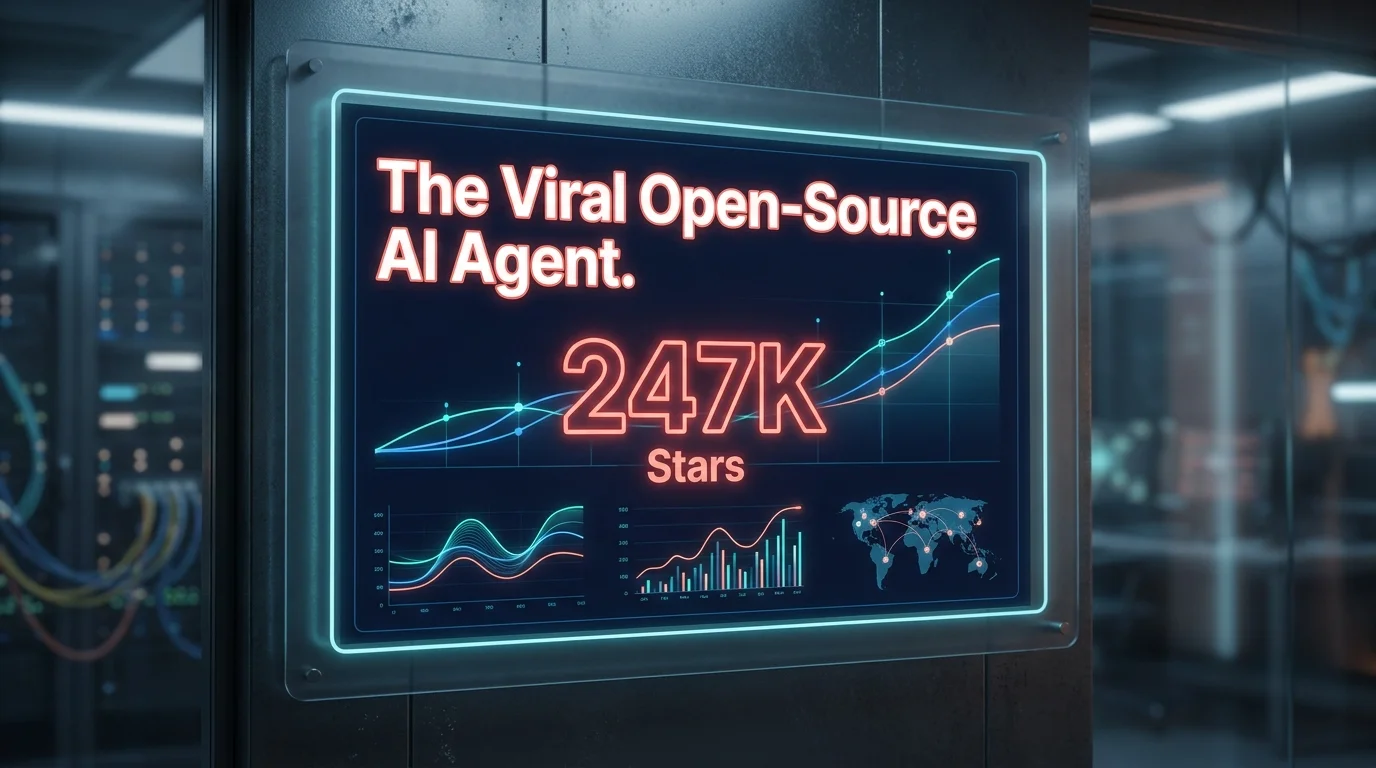
OpenClaw GitHub: 247K Stars, 47.7K Forks Explained
OpenClaw GitHub: 247K Stars, 47.7K Forks, By the Numbers
247,000+ stars. 47,700+ forks. Four months from a niche launch to one of the most-starred repositories in open-source AI. That's the openclaw github page as of March 2026 — and the number alone is why so many people who heard about the project secondhand are now asking whether the hype is real.
Key Takeaways
- OpenClaw is an open-source AI agent with 247,000+ GitHub stars — one of the fastest-growing projects ever launched.
- The project supports 20+ messaging platforms (WhatsApp, Telegram, Discord, Slack, iMessage, Signal, and more) out of the box with pre-built skills.
- Self-hosting OpenClaw requires Node.js setup and server management; OpenClawHQ eliminates all technical friction for $49/month flat.
- Community forks (47,700+) show developers building custom versions; managed hosting is simpler for non-technical business owners.
- GitHub's viral adoption proves OpenClaw solves a real problem — now the challenge is making it accessible to people who can't code.
What Is OpenClaw, and Why Does the GitHub Repo Have 247,000+ Stars?
OpenClaw is an open-source AI agent that runs inside the messaging apps people already use — WhatsApp, Telegram, Discord, Slack, and more — and executes tasks autonomously instead of just answering questions. Its GitHub repository has crossed 247,000+ stars because it solves a specific, real problem: hands-free automation inside existing chat apps, not just another chatbot demo.
Unlike a rules-based bot that only replies to fixed commands, OpenClaw browses the web, manages files, sends emails, calls APIs, fills out forms, and runs through 100+ pre-built "skills." It was built by Austrian developer Peter Steinberger and first appeared on GitHub in November 2025.
Our full OpenClaw review breaks down every feature in detail if you want the complete picture beyond the repo stats. For now, the star count is worth sitting with: repositories rarely climb this fast without genuine, repeated use behind the number.
What Do OpenClaw GitHub Stars and Forks Look Like at a Glance?
The raw metrics tell the adoption story better than any description could. As of March 2026, the openclaw github repository shows 247,000+ stars, 47,700+ forks, support for 20+ messaging platforms, and 100+ pre-built skills — reached in roughly four months from launch.
| Metric | Value |
|---|---|
| GitHub stars | 247,000+ |
| Forks | 47,700+ |
| Messaging platforms supported | 20+ |
| Pre-built skills | 100+ |
| Time from launch to 247K stars | ~4 months |
| Original launch name | Clawdbot (November 2025) |
By the numbers: OpenClaw crossed 200,000 stars faster than most open-source projects cross 10,000 — a growth curve that puts it among the fastest-adopted AI repositories of the past year.
Forks matter as much as stars here. A fork means a developer copied the codebase to build or modify something — 47,700 of them is a sign of an active builder community, not passive bookmarking.
How Did OpenClaw Grow From Clawdbot to 247K Stars in Four Months?
OpenClaw launched as Clawdbot in November 2025, was renamed Moltbot on January 27, 2026 after trademark pressure from Anthropic, then renamed OpenClaw three days later. Despite two name changes inside one week, the star count kept climbing — crossing 247,000+ stars and 47,700+ forks by March 2026.
That naming history explains a search pattern you'll notice if you dig into GitHub Topics or older blog posts: some links and repo forks still reference "clawdbot," and a smaller slice reference "moltbot." Same underlying software, three names, one continuous growth curve.
 OpenClaw's star count climbed through two rebrands without losing momentum.
A rename that would stall most projects barely registered here. That's usually a sign the audience cares about what the tool does, not what it's called — which lines up with what's driving the debate over who actually built and owns OpenClaw: an independent developer community, not a corporate PR push.
What's Actually Inside the OpenClaw GitHub Repository?
The OpenClaw GitHub repository includes the core agent codebase, a documentation site, a CLI onboarding wizard, and a skills directory holding the 100+ pre-built automations the agent can run. A separate GitHub Topics page lists dozens of community repositories building on top of it — custom skills, integration layers, and alternate front ends.
Browsing the repo itself, a few things stand out to anyone evaluating it seriously:
- A detailed
docs/index.mdwalking through self-hosted setup for every supported channel - Contributor avatars stacked at the top of the README — dozens of active maintainers, not one solo developer
- A branch structure showing regular commits, not an abandoned initial release
- Terminal commands like
openclaw onboard --install-daemonthat reference the CLI tooling used to run it (worth a deeper look if you're comparing openclaw commands across setups)
 Forks and community repos extend OpenClaw well past the core project.
This is also where the open-source reality gets more complicated for a non-technical reader. Everything above is genuinely there and genuinely well-maintained. None of it explains how to get from "star the repo" to "have it running and replying to customer messages" without touching a terminal.
Why GitHub Stars Matter (And Why OpenClawHQ Exists)
A quarter-million stars isn't a vanity metric. It's 247,000+ separate people who evaluated an autonomous AI agent and decided it was worth bookmarking, and 47,700 who went further and forked the code to build something with it. That's a demand signal most SaaS products spend years trying to manufacture.
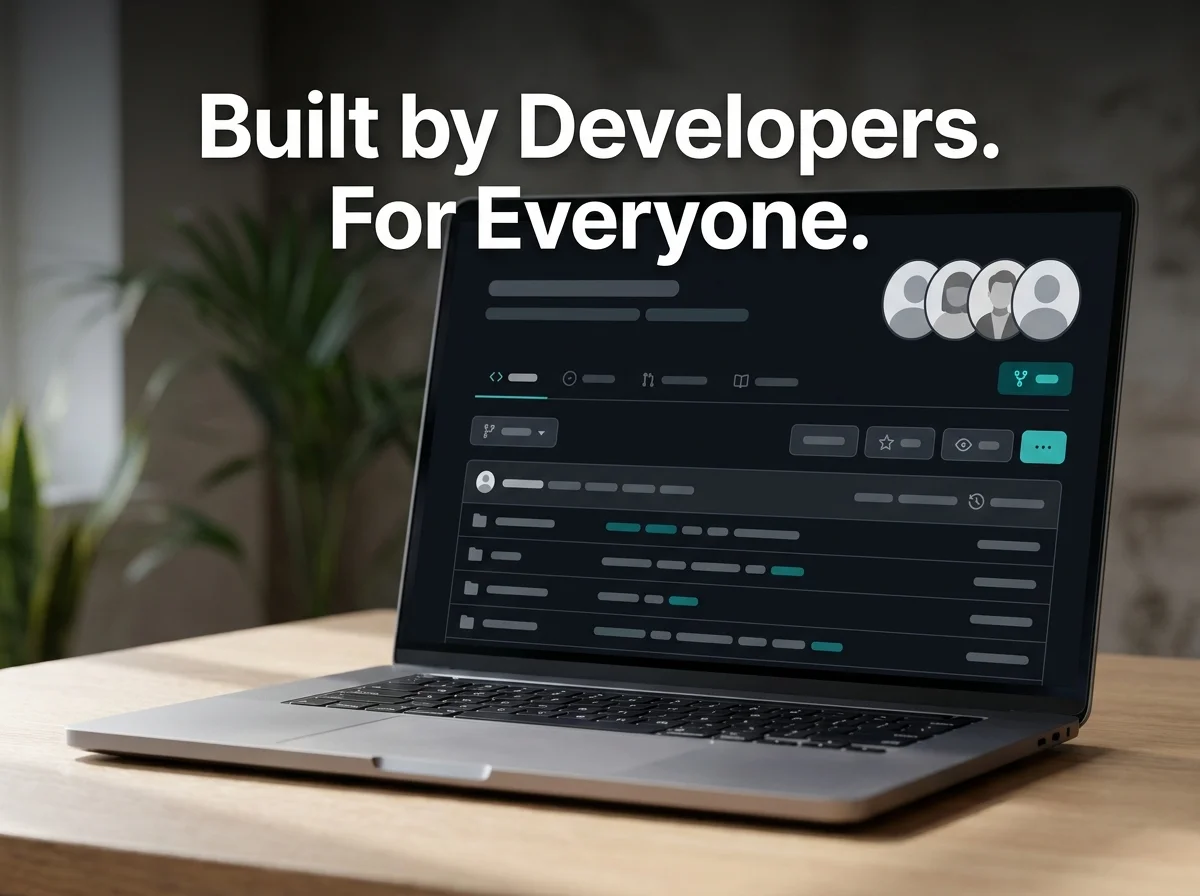 The public repo — active, well-documented, and still not something most business owners can run themselves.
But a starred repo is not a running product. Getting OpenClaw live still means installing Node.js 24, running the CLI wizard, authenticating each messaging channel by hand, and keeping a server online 24/7 so it doesn't go dark overnight. Most non-technical users hit that wall in the first fifteen minutes.
That gap is exactly what OpenClawHQ closes. The community proved the demand on GitHub; OpenClawHQ turns the repository into a private, fully configured instance — live in minutes, no server, no command line, $49/month flat with unlimited usage.
Can You Use OpenClaw for Free Since It's Open Source on GitHub?
Yes — the OpenClaw software itself is free and open source, and the GitHub repository costs nothing to clone or star. What isn't free is running it: a dedicated server, the technical setup time, and your own AI model API usage, which most self-hosters underestimate until the first bill arrives.
That distinction is the entire reason managed hosting exists as a category. The code is free. The electricity, uptime, and inference costs behind it are not.
If you've already tried cloning the repo and given up somewhere around the Node.js install step, running OpenClaw without touching code walks through the managed alternative — same agent, no terminal required.
Get Started with OpenClawHQ
You don't have to choose between admiring OpenClaw's GitHub numbers and actually using the thing. OpenClawHQ takes the same open-source project behind those 247,000+ stars and deploys it as your own private, managed instance — no server, no Node.js, no CLI, ever.
FAQ
Is OpenClaw actually free given how popular it is on GitHub?
The OpenClaw software is free and open source — no license fee, no cost to clone the repo. Running it requires a dedicated server, Node.js setup, and ongoing maintenance, plus your own AI model API usage. OpenClawHQ manages all of that for $49/month flat, unlimited usage included.
What's the difference between OpenClaw, Clawdbot, and Moltbot?
They're the same tool at different points in time. The project launched as Clawdbot in November 2025, was briefly renamed Moltbot in January 2026 after a trademark dispute, then renamed OpenClaw three days later — the name it carries today on GitHub.
How many contributors work on OpenClaw's GitHub repository?
The README displays a stacked row of contributor avatars reflecting dozens of active maintainers, alongside 47,700+ forks from the wider developer community. Exact contributor counts shift weekly as the project keeps growing, but the pattern is sustained, active development rather than a single-author release.
Do 247,000 GitHub stars mean OpenClaw is actively maintained?
Largely, yes. Stars alone don't guarantee maintenance, but combined with regular commits, an actively updated docs site, and tens of thousands of forks, OpenClaw's repo shows the signs of an actively developed project rather than a starred-and-abandoned one.